
Microsuction vs ear syringing vs irrigation: which is best for ear wax?
A clear comparison of microsuction, electronic ear irrigation and old-style ear syringing: how each works, safety, comfort, and who each method suits.
Key points
- Manual ear syringing with a metal syringe is outdated, and NICE advises against it.
- Electronic irrigation uses a controlled flow of warm water. It usually needs several days of softening drops first, and it isn't suitable for everyone.
- Microsuction uses gentle suction under magnification, with no water. It's often suitable for people with a history of perforations, ear infections or ear surgery.
- Whichever method you choose, it should start with a proper look in the ear by a trained clinician.
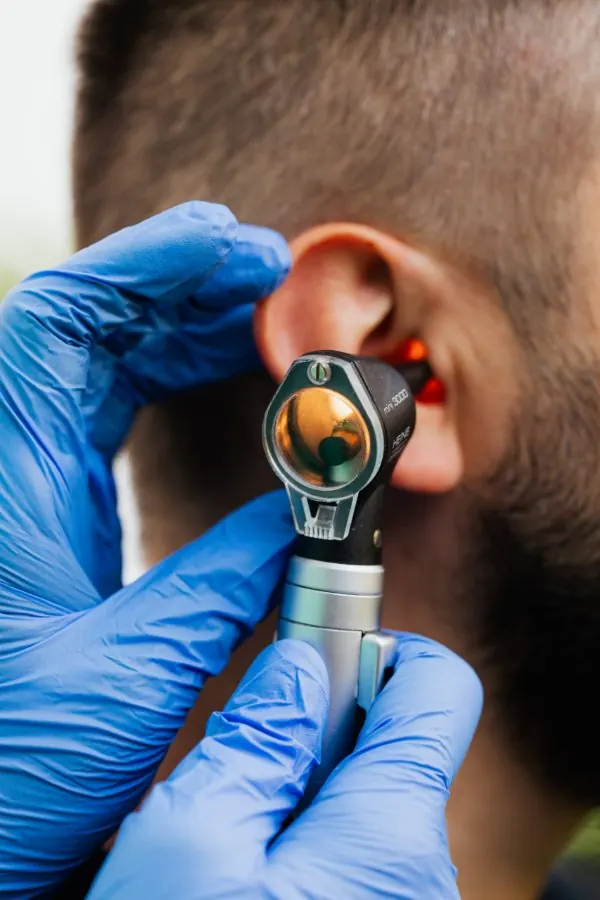
If you've been told you have a build-up of ear wax, you'll probably come across three terms: syringing, irrigation and microsuction. Here's how they differ, so you can choose with confidence.
The three methods at a glance
| Manual syringing | Electronic irrigation | Microsuction | |
|---|---|---|---|
| How it works | Water pushed into the ear with a hand-held metal syringe | A machine delivers a controlled stream of warm water to flush wax out | A fine, sterile suction tube lifts wax out under magnification |
| Water in the ear | Yes | Yes | No |
| Clinician can see the wax during removal | No | Not directly | Yes, throughout |
| Softening needed beforehand | Usually | Usually, for several days | Sometimes. We'll advise when you book |
| Current guidance | Not recommended (NICE NG98) | Recommended option | Recommended option |
Ear syringing
Old-style syringing used a large metal syringe to squirt water into the ear canal. The pressure couldn't be controlled precisely, and it occasionally caused damage to the eardrum or ear canal. NICE's guideline on hearing loss in adults (NG98) says manual syringing shouldn't be used, and it has largely disappeared from GP surgeries.
Electronic ear irrigation
Irrigation is the modern replacement for syringing. A machine sends a steady, controlled stream of body-temperature water into the ear to wash the wax out. It works well for many people, but because it uses water it's generally avoided if you have, or have had, a perforated eardrum, grommets, a recent ear infection or certain types of ear surgery. It also usually needs several days of softening drops beforehand.
Microsuction
Microsuction is our preferred method at Family Hearing. The clinician looks into the ear under magnification and uses a fine, low-pressure suction tube to lift the wax out under direct vision. Because nothing is flushed into the ear, it's often suitable for people who can't have irrigation, including those with a history of perforated eardrums, ear infections or ear surgery. Please mention any of these when you book.
What does it feel like? Most people find it comfortable. It's a little noisy, with a soft hissing sound, and a few people feel briefly dizzy or ticklish. You can ask to pause at any time. Hearing often feels clearer straight away.
So which is best?
For most people, either microsuction or electronic irrigation carried out by a trained clinician is safe and effective. Microsuction has the advantages of a clear view throughout and no water, which is why we use it. The most important thing is that your ears are examined properly first. At Family Hearing this ear wax check is free, so you only pay for removal if you need it.
Frequently asked questions
Is microsuction safer than syringing?
Manual syringing is no longer recommended by NICE. Microsuction is carried out under magnification with no water, so the clinician can see what they are doing throughout. That makes it a safer choice for many people, particularly those with a history of eardrum perforation, ear infections or ear surgery.
Does microsuction hurt?
Most people find it comfortable. It can be a little noisy, and occasionally people feel slightly dizzy or ticklish for a moment. You can ask to pause at any time.
Can I have microsuction if I've had a perforated eardrum?
Microsuction is often suitable for people with a history of eardrum perforation because no water is used, but please mention it when you book so the audiologist can advise.
How long do the results last?
That depends on how quickly your ears make wax. Some people only need wax removed once, while others, including many hearing aid wearers, benefit from a check every few months.