
What happens at your appointment
In short: a private hearing assessment at Family Hearing in Brunton Park, Gosforth costs £75 and includes a case history, an ear examination and full pure-tone audiometry, with your results explained the same day. Tympanometry costs £40. No GP referral is needed, and next-day appointments are often available.
Lots of people put off a hearing test because they aren't sure what it involves. It's relaxed, painless and nothing goes into your ear apart from a small soft tip and headphones. Here's how it works, step by step.
A friendly chat about you and your hearing
We start by talking about what's prompted your visit: difficulty following conversations, turning the TV up, ringing in the ears (tinnitus), dizziness, or a family member noticing a change. We'll also ask about your general health, medication, noise exposure at work or play, and any history of ear infections or surgery. This helps us pick the right tests and understand what matters to you day to day.
Looking inside your ears Otoscopy
Using an otoscope and an ear camera, we check the ear canal and eardrum for wax, infection or anything unusual. You can see the pictures on screen as we go. If wax is blocking the canal, it can affect your results, so we'll talk through removing it first.
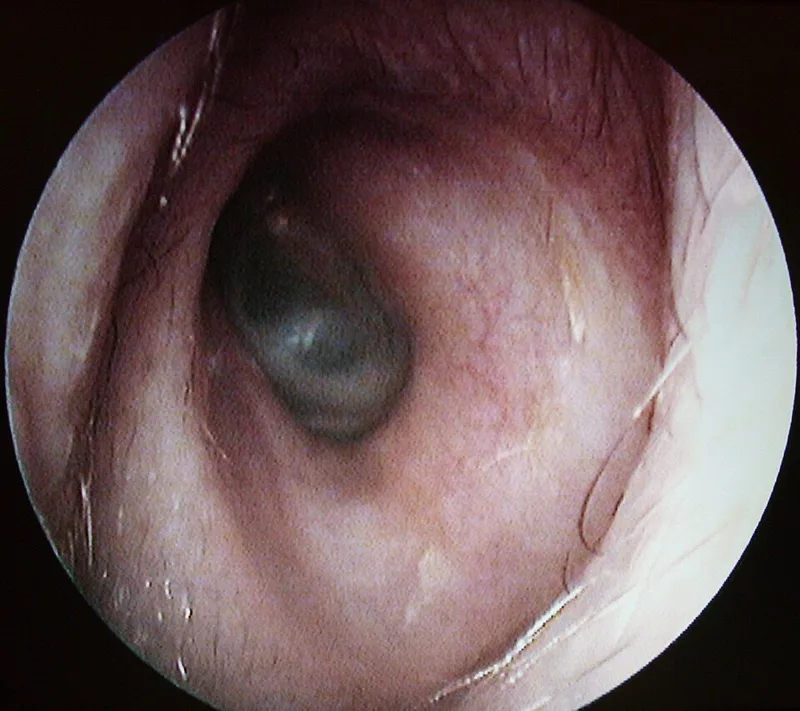
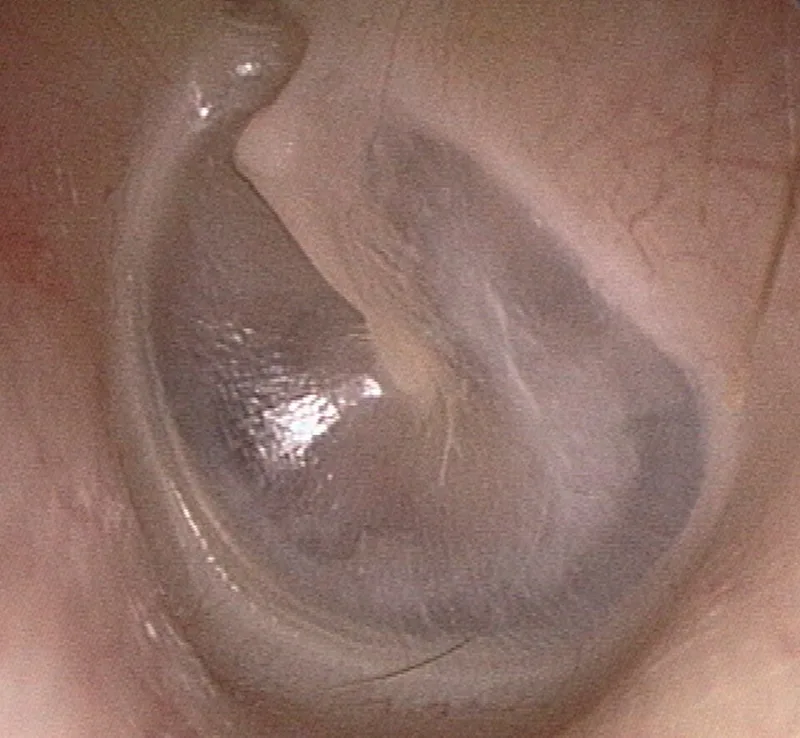
Checking your middle ear Tympanometry
A small soft tip rests at the entrance of your ear and gently changes the air pressure for a few seconds. It measures how well your eardrum moves, which can show fluid behind the eardrum, Eustachian tube problems or a perforation. You may feel a slight pressure, like being on a plane, but it doesn't hurt.
Measuring what you can hear Pure-tone audiometry
Wearing headphones, you'll hear a series of beeps at different pitches and volumes, from low rumbles to high whistles. Press a button each time you hear one, however faint. We find the quietest sound you can hear at each pitch in each ear. Where needed, a small headband vibrator also tests your inner ear directly (bone conduction), which helps us tell whether a hearing loss comes from the outer and middle ear or from the inner ear and hearing nerve.
Your results, explained clearly
Your results are plotted on a chart called an audiogram. We'll go through it with you: which sounds you hear well, which you're missing, and what that means in everyday situations like noisy restaurants, phone calls or hearing grandchildren. There's no rushing and no jargon, and you're welcome to bring a family member along.
Next steps that suit you
Depending on your results, that might be reassurance and a review date, communication tips, a conversation about hearing aids, or a recommendation to see your GP or an ENT specialist if anything needs further medical investigation. A written report can be sent to your GP so your records stay up to date.
Common signs your hearing may be changing
Hearing loss usually creeps in gradually, so family and friends often notice it before you do. If any of these sound familiar, a hearing assessment is a sensible next step.
Hearing test FAQs
Is this the same as a free hearing test?
No. 'Free hearing tests' offered elsewhere are normally screening checks. Every hearing assessment at Family Hearing is a full one: case history, ear examination and full pure-tone audiometry, with your results explained.
How much is a hearing test at Family Hearing?
A full hearing assessment costs £75 and includes a case history, otoscopy and full pure-tone audiometry. Tympanometry costs £40.
Does a hearing test hurt?
No. You wear headphones and press a button when you hear a beep. Tympanometry involves a soft tip at the entrance of the ear and a brief feeling of pressure, but it isn't painful.
Do I need a GP referral for a hearing test?
No. You can book a private hearing assessment directly, and next-day appointments are often available.
Will my GP get my results?
A copy of your assessment can be sent to your GP so your medical records stay up to date. Just let us know at your appointment.
Can I bring someone with me?
Yes, and we encourage it. A partner or family member can help you remember what was discussed and share what they've noticed about your hearing.
What should I bring?
A list of any medications you take, details of any previous ear problems or surgery, and your current hearing aids if you have them.
What if I've lost hearing suddenly?
Sudden hearing loss needs urgent medical attention, so contact your GP or NHS 111 the same day. Alongside that, we often have same-day appointments for a hearing test (audiometry). Call or WhatsApp 07841 625463.