
Tympanometry explained: what the middle ear test shows
What tympanometry is, how the test feels, what the results (type A, B and C) mean, and when a middle ear test is useful, from a Newcastle audiologist.
Key points
- Tympanometry measures how well your eardrum moves when the air pressure in the ear canal changes.
- It can help show fluid behind the eardrum, Eustachian tube problems or a perforation.
- It takes seconds per ear and isn't painful, though you may feel slight pressure, like being on a plane.
- At Family Hearing in Brunton Park, Gosforth, tympanometry costs £40.
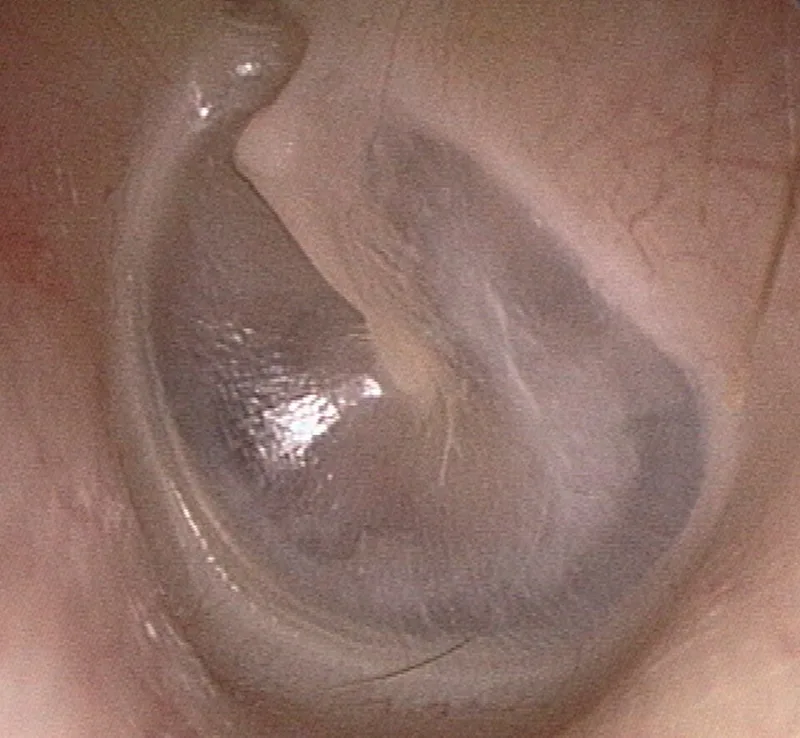
What is tympanometry?
Tympanometry is a test of the middle ear: the air-filled space behind the eardrum that contains the tiny hearing bones. A small, soft tip rests at the entrance of the ear canal and gently changes the air pressure for a few seconds. The machine measures how easily the eardrum moves in response. The result is a graph called a tympanogram.
It doesn't measure how well you hear. That's what pure-tone audiometry does. Instead it shows how well the middle ear is working, which helps explain why someone may have a hearing problem.
What does it feel like?
Most people barely notice it. You may feel a slight pressure, like being on a plane, and hear a soft tone. It isn't painful and it takes only a few seconds per ear. You need to keep still and avoid talking or swallowing during the measurement.
Understanding your results
Tympanograms are often described using letters:
| Type | What the graph looks like | What it can suggest |
|---|---|---|
| Type A | A clear peak at normal pressure | Normal middle ear function |
| Type B | A flat line, with no clear peak | Fluid behind the eardrum (such as glue ear), a perforation or an open grommet, or a canal blocked with wax. Ear canal volume helps tell these apart. |
| Type C | A peak shifted to negative pressure | The Eustachian tube isn't equalising pressure well, for example after a cold or with congestion |
| As / Ad | A very shallow or very tall peak | A stiffer or more mobile eardrum or middle ear system than usual, which may need further investigation |
Your audiologist will interpret the result alongside your history, the ear examination and your hearing test, and explain what it means for you.
When is tympanometry useful?
- Ears that feel blocked or "popping" after a cold, flying or diving
- Suspected fluid behind the eardrum
- Recurrent ear infections
- Checking the middle ear as part of a fuller diagnostic assessment
Not sure whether you need it? Get in touch and we'll advise.
Price and booking
Tympanometry at Family Hearing costs £40. A full hearing assessment is £75. The clinic is at Urban Angels, Brunton Park, Gosforth, Newcastle NE3 5TT. You can book online or call 07841 625463.
Frequently asked questions
Is tympanometry painful?
No. A soft tip rests at the entrance of the ear and gently changes the air pressure for a few seconds. You may feel slight pressure, like being on a plane, but it doesn't hurt.
What does a flat tympanogram mean?
A flat (type B) tympanogram can suggest fluid behind the eardrum, a perforation or an open grommet, or an ear canal blocked by wax. The audiologist uses the ear canal volume and an ear examination to tell these apart.
Is tympanometry the same as a hearing test?
No. Tympanometry checks how well the eardrum and middle ear are working. A hearing test (pure-tone audiometry) measures the quietest sounds you can hear at different pitches. They are often used together.
How much does tympanometry cost in Newcastle?
At Family Hearing in Brunton Park, Gosforth, tympanometry costs £40.